The Alice Network by Kate Quinn
A gripping look at The Alice Network, this review dives into the bravery of the real women who risked everything to spy in WWI. It celebrates their courage, brutality of their reality, and the book’s powerful blend of tension, history, and heart

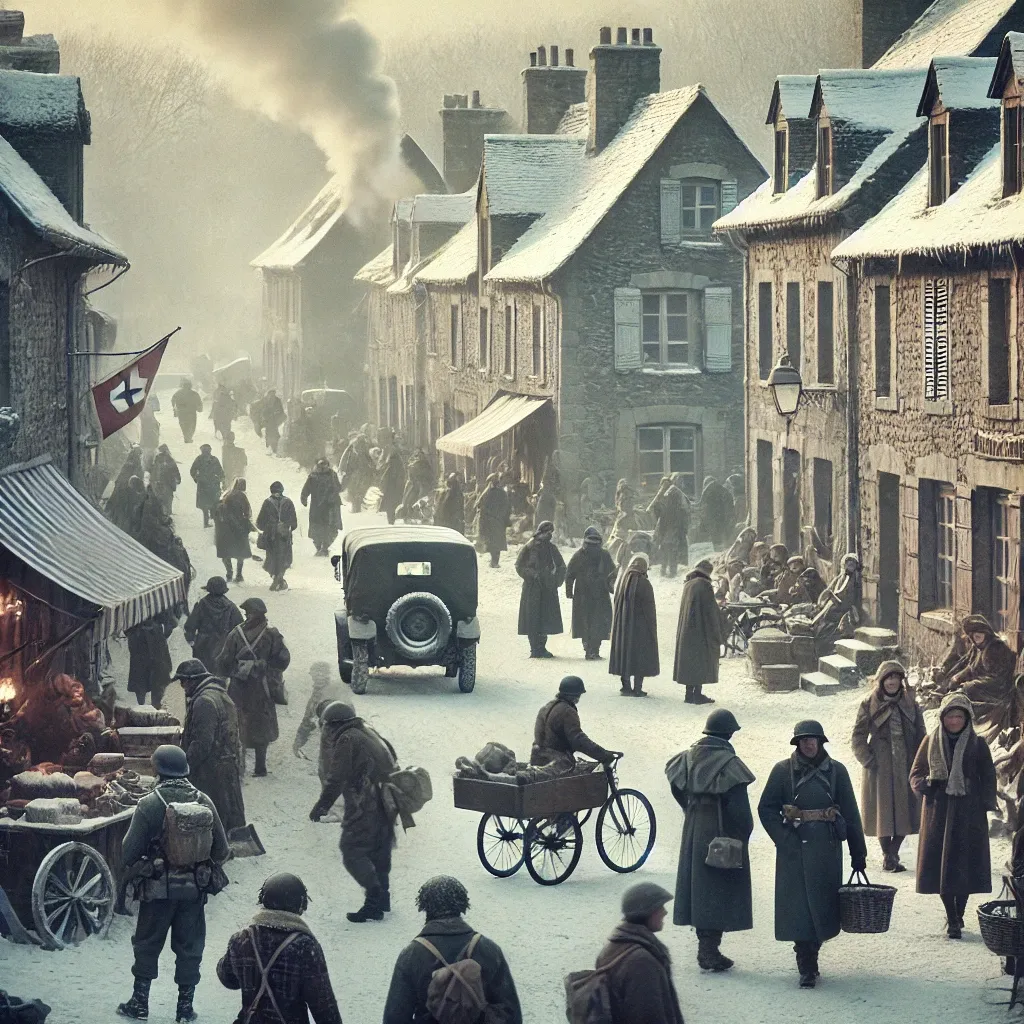
Those who have never suffered enemy invasion in their own land, can never understand what war truly is.
Wow. Just wow.
The Alice Network dives into the real-life group of female spies operating in northern France during WWI. Led by the so-called “Queen of Spies,” Louise de Bettignies, this small network of women spied on the German forces occupying their homeland.
These women played the part of harmless, weak, uneducated civilians struggling to survive — pretending they couldn’t understand a word of German.
In reality? They understood everything.
They were sharp, fearless, and smart enough to fool everyone.
These modern day Joan of Arcs took on simple roles — waitresses, bakers, shop girls — to get close to German officers and slip intel back to Allied contacts.
After all, what woman would risk being caught and shot by the Germans?
More than you’d think. These women were top-tier badasses.
The result? One of the most successful spy rings in WW1.
Intelligence went in, bombs and gunfire came out, and the Germans were regularly duped — sometimes even begrudgingly impressed.
No one suspected the frazzled lady juggling parcels across the border or the flustered girl digging through a purse full of “junk” (and maps… and valuable intel).
She was waved right through.
After all, what harm could a woman do?
(Aside from gathering intel that helped derail operations and nearly blow up the train carrying the Kaiser. True story.)
People assumed spies — and danger — were for men.
Wrong. And that assumption is exactly what made women perfect for the job.
But they paid for it. Women were threatened with violence, torture, rape, and execution if caught. Yet Eve Gardiner — one of the story’s leads — was good at what she did, and willing to risk everything.

"The idea made her sick and scared, but so what? Why did it matter if something scared you, when it simply had to be done anyway?"
The book jumps between Eve’s WWI experience and the journey she takes 30 years later with 19 year old, 3 months pregnant Charlie and their mild tempered Scottish driver, Finn.
Eve and Charlie share a common enemy: René.
A now old man hiding behind his café and his charm, guilty of cozying up to German officers to keep his business — and his ego — alive.
Eve endured his cruelty firsthand, and Charlie’s cousin and unborn child met their death because of his lies.
So the unlikely trio sets out for a bit of vigilante justice.
With Eve drinking freely and waving her Luger around, the book manages to balance intense, emotional moments with dry humour and chaotic energy.
"I believe in revenge... I’ve lost faith in much over the years, but not that."
But don’t be fooled: this book isn’t all banter and road trip vibes.
It’s tragic and violent.
It deals with torture, prison camps, wartime trauma, and the near impossible reality of a 1917 abortion. (I still cringe thinking about that moment.)
By the end, the admiration you feel for these women is enormous. They sacrificed everything, fully aware that the price of spying could very easily be a bullet between the eyes.
Somehow, fear never stopped them. Fear came later — only when they were safe, only when the danger had passed.
The bond between the women in the Alice Network — being the only people they could trust — is raw and heart-wrenching. And the love between Eve, Charlie, and Finn in the later timeline is just as powerful. Even in the worst moments, love insists on being there.

WWI fan? Must read.
Love powerful female leads? Must read.
Thriller energy? Also a must read.
The author weaves real accounts and historical records into the narrative, beautifully assembling the stories of those who didn’t survive — and how their families sought justice afterward.
I’ll leave you with a passage from Louise de Bettignies to her sister, written from prison:
“…I would ask that you savour every moment and preserve the beauty around you, for while I pray there will never be another war such as this, ours is a troubled history.”
I love it. I think you will too.
Until next time.
Sheila