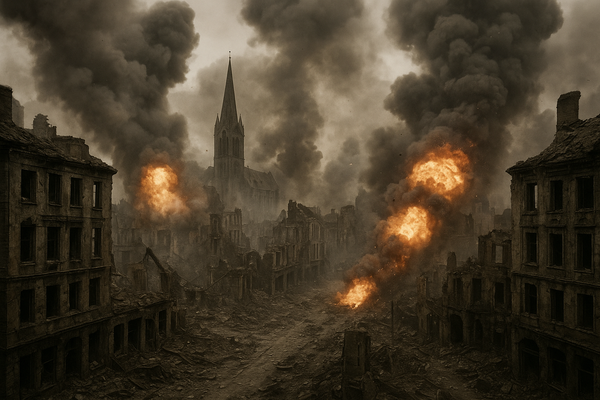
All the Light We Cannot See by Anthony Doerr

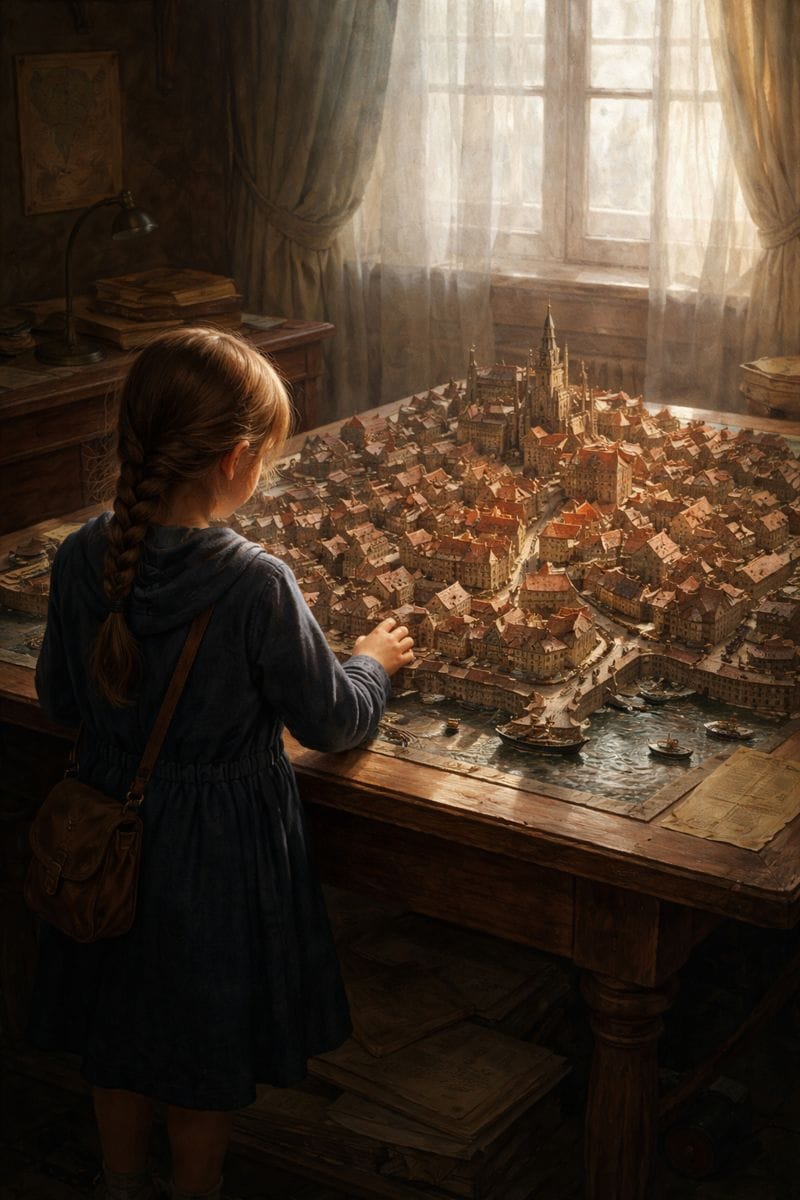
Marie-Laure is 9 and blind. Living in WWII France under German occupation.
Her father works as a locksmith for the Museum of Natural History and is entrusted with a sacred object: a rare diamond rumored to grant good fortune and “endless life.”
It’s powerful. And one German Master Sergeant wants it very badly.
Marie-Laure learns how to navigate daily life through carefully memorized routes, miniature models, and the patience of her incredible father. But when the danger escalates, they’re forced to flee Paris and take refuge in Saint-Malo, in the house of her eccentric Uncle Etienne—a man they’ve avoided for years.
Etienne locks himself away for days at a time, broadcasting his grandfather’s words across the world on an old radio.
To Marie-Laure, he’s kind and intelligent. And her presence slowly brings pieces of him back to life.
He loves books, radios, and a good laugh—exactly the kind of comfort you need when you’re rationing food and surviving indoors for weeks on end.
Still, it isn’t easy. The good days come with plenty of bad ones.
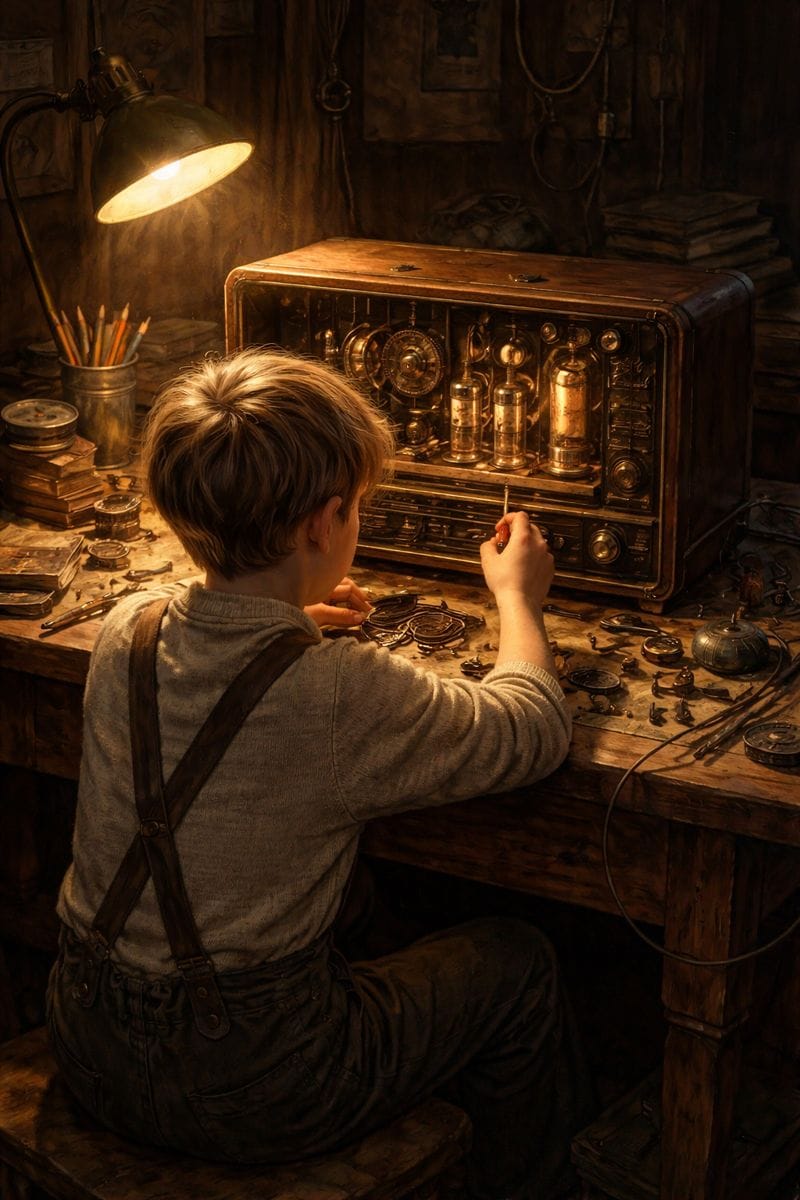
Werner lives in an orphanage in Germany with his younger sister, Jutta.
They are poor but deeply loved by the headmistress, who treats them with real kindness.
Werner is endlessly curious—about the world, about how things work, about solving the unknown. His true passion is an old radio.
For hours, days, years, he takes radios apart and puts them back together, desperate to understand their inner workings. Jutta loves the stations he discovers, and they listen together in the attic at night.
At fourteen, Werner is sent to a German youth camp. His intelligence with radios earns him special privileges and spares him some of the brutality faced by weaker boys.
But from day one, he knows he doesn’t want to fight.
He’s just a boy who likes to fix things.
He is not a killer.
Marie-Laure and Werner exist on opposite sides of the war.
One is hiding, waiting, surviving. The other is tracking, moving, obeying.
Their struggles pull them in different directions, but the pain is felt on both sides—starvation, exhaustion, and fear.
The author’s language is powerful. You’re right there in the mess with them, rooting for them to keep going.
Both enter the war before puberty and leave it no longer children. It’s deeply character-driven, full of quiet moments and small surprises, and unfolds at a steady, thoughtful pace.
This is not a speed read.
You’ll get fully immersed—so set aside some time.
Until next time,
Sheila